Video isn’t just another marketing tactic, it’s a powerhouse. 93% of marketers say video has given them a good ROI, yet not everyone is seeing those results. Why? Often, it’s a lack of strategy. As part of your overall video strategy for marketing, you need a game plan to stand out in 2025’s content surge. This guide is here to help.
We’ll walk you through actionable video marketing tips and “how-to” strategies, from tapping into TikTok-style clips to leveraging data, all aimed at one thing: boosting your ROI. Whether you’re a DIY creator or working with a team, these tips will sharpen your approach (and remember, you can always bring in expert help when needed). Let’s dive in and get your videos working smarter, not harder, for your business.
📋 TL;DR Key Strategies for Video Marketing Success
- Set clear goals and define your audience before creating.
- Embrace short-form content (TikTok, Reels, Shorts) for top ROI.
- Optimize videos with SEO, captions, and strong CTAs.
- Prioritize storytelling and quality to build trust.
- Go live (streams/webinars) for real-time engagement.
- Repurpose videos across channels to maximize reach.
- Track performance, learn from data, and stay agile with trends.
1. Set Clear Goals and Define Your Video Strategy
➡️ Plan for ROI Before Pressing Record
Successful video marketing begins long before you hit the record button. Clarify what you want to achieve (e.g. increase brand awareness, drive website traffic, generate leads) and who your target audience is. This will shape the content, style, and distribution of your videos. For example, a brand aiming to boost sales might create product demo videos with a strong call-to-action, whereas a company focused on thought leadership might invest in educational webinars.
- Identify Key Metrics: Decide how you’ll measure success. Will you track views, engagement, click-through rates, or direct sales? Tie these metrics to your goals.
- Research Your Audience: Understand what your audience cares about and where they hang out online. For instance, if you’re targeting Gen Z, TikTok and Instagram might be prime channels; for B2B executives, LinkedIn or webinar platforms could yield better ROI. Tailor your video content to solve your audience’s problems or answer their questions.
- Map Videos to the Funnel: Plan different video types for each stage of the customer journey. Explainer videos (tutorials, how-tos) are great for top-of-funnel awareness. In fact, they’re the most popular video type, with 73% of marketers creating explainer videos. For consideration stages, you might use case studies or testimonials. And for conversion, demo videos or personalized messages can nudge a decision.
⚠️ Common Mistake: Jumping into production without a strategy. Skipping the planning phase can lead to aimless videos that don’t serve a goal. Always define a purpose for each video.
💡Pro tip: Many marketers look at a mix of metrics: engagement (views, watch time), conversion rate, etc. Knowing your KPIs helps prove ROI later.
2. Embrace Short-Form Video for Quick Engagement
➡️ Snackable Content, Big Impact
In 2025, short-form videos are king. Platforms like TikTok, Instagram Reels, and YouTube Shorts have exploded in popularity, and they’re delivering serious ROI. These bite-sized videos (think 15 to 60 seconds) cater to shrinking attention spans and mobile viewers who want content now, and they payoff by higher engagement and shareability.
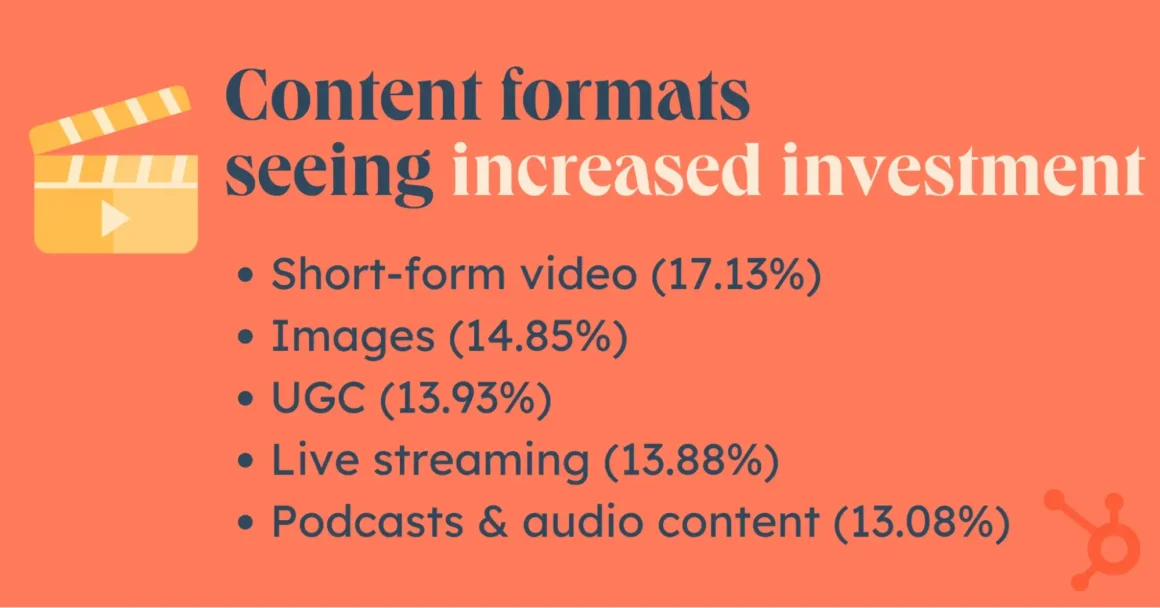
Why Short-Form Works: Viewers are more likely to watch a 30-second snappy video to the end than a 5-minute one. In fact, marketers ranked short-form video as the #1 format for ROI in a recent studyblog.hubspot.com. Additionally, consumers love short videos. This means your message is not only more likely to be consumed, but also remembered and acted upon.
- Mobile-Friendly is a Must: Optimize for vertical viewing. Most short videos are watched on phones, so shoot in vertical (9:16) format when targeting TikTok or Reels. Also, get to the point in the first few seconds. The hook (a bold statement, a question, or eye-catching visual) should come early to stop the scroll.
- Use Trends & Challenges (Strategically): Jumping on trending sounds or challenges can boost discoverability on social platforms. But ensure any trend you use is relevant to your brand or message. For example, a quick before-and-after transformation video could work for a home improvement business riding a trending hashtag, as long as it showcases actual work.
- Consistency Over Virality: Rather than chasing one-hit-viral-wonders, focus on consistently putting out valuable short videos. A series of helpful 30-second tips will build a loyal following and cumulative ROI more reliably than a single viral skit. Consistency also trains the algorithm (and your audience) to expect regular content from you.
⚠️ Common Mistake: Republishing the same content on every platform without tailoring it. Each social channel has its own vibe. A formal product ad may flop on TikTok, while a goofy meme video might feel off-brand on LinkedIn. Avoid a cookie-cutter approach. Instead, adapt your short videos’ style and tone to fit the platform and audience.
💡Pro tip: Short-form might look simple, but crafting a punchy 15-second video that markets your product well is an art. If you need help creating scroll-stopping clips, consider hiring a freelance social media video editor. They can help you ride trends, edit snazzy visuals, and even handle things like music and captions, ensuring your short videos are professional and high-impact.
3. Optimize Videos for SEO and Accessibility
➡️ Make Your Videos Discoverable
Even the greatest video won’t deliver ROI if no one finds it. Optimizing your videos for search (on platforms like YouTube, via Google or on LLMs) is a critical strategy. This means doing a bit of SEO homework and making your content accessible to wider audiences. The reward? More organic views, which cost you nothing extra but can lead to more conversions.
- YouTube SEO Basics: YouTube is the world’s second largest search engine. Treat your video titles, descriptions, and tags like you would a blog post’s SEO. Include your primary keywords (e.g. “video marketing tips” or “how to do video marketing”) naturally in the title and description. A compelling, keyword-rich description of 150+ words not only helps the YouTube algorithm but also informs viewers. Tip: Add relevant hashtags in descriptions (YouTube will display the first 3 above your title).
- Transcripts and Captions: It’s a win-win for accessibility and SEO. Search engines can’t watch your video, but they can crawl text. Including a transcript or closed captions allows Google to index that content, boosting your video’s chance to appear in search results. (Not to mention, captions help the 85% of social media users who watch videos on mute!). If your video lives on your website, consider adding schema markup for video. This can get you those rich snippet thumbnails in Google results.
- Thumbnail and Title Optimization: Thumbnails are the first thing people see. A clear, vibrant thumbnail with an engaging image or text can dramatically increase your click-through rate. Similarly, ensure your video title is both descriptive and intriguing (avoid clickbait, but do entice curiosity). For instance, instead of a bland title like “Company Promo Video 2025”, use something like “How [Your Brand] Achieved 2X Growth (Customer Story)” if it’s a case study. This tells people (and search engines) what they’ll get.
- Leverage Multiple Platforms: Don’t limit your SEO to YouTube. If you’re posting videos on Facebook, LinkedIn, Instagram, etc., use each platform’s features to add titles/captions. Also, embed key videos on your website with descriptive surrounding text. Companies commonly share their videos on their site, via email, LinkedIn, and YouTube. More exposure equals more chances to be found via search or social algorithms.
⚠️ Common Mistake: Forgetting the call-to-action in metadata. This is a subtle one but many creators diligently add keywords but overlook including a CTA or value proposition in the video description or end screen. If someone discovered your video via search, make sure the description or the video’s ending tells them clearly what to do next (visit your site, sign up, etc.).
💡Pro Tip: SEO for video can get technical, from keyword research to schema markup. If you’d prefer not to tackle it alone, hire a video SEO specialist to optimize your content. Freelancers can help tweak your titles, descriptions, and tags for maximum visibility. They can also generate transcripts and even upload your videos across platforms with the right settings, ensuring your awesome content actually gets seen by your target audience.
4. Focus on Storytelling and Quality Production
➡️ Content is King, Quality is Queen
In a world flooded with video content, quality and storytelling separate the winners from the losers. It’s not enough to churn out videos; the content needs to resonate. That means crafting a compelling narrative and ensuring the production doesn’t look like an afterthought. Remember, your video often forms a viewer’s first impression of your brand. Make it count.
- Hook with a Story: Humans are wired for stories. Rather than thinking “How can I sell this product in a video?”, flip it to “What story would engage my audience and subtly highlight the product’s value?”. This could be a customer success story, a day-in-the-life vlog style video, or even a problem/solution scenario skit. For example, instead of a dry list of features for a project management tool, create a short story of a team scrambling before using your tool versus after. Narrative makes it relatable and memorable.
- Keep It Educational and Valuable: One reason explainer and how-to videos are so popular is because they provide value. By teaching or informing your viewer, you build trust, and an informed viewer is one step closer to becoming a customer. So, focus on takeaways: what will the viewer learn or gain from this video? Even in a promo, the angle could be solving a pain point.
- Up Your Production Value: You don’t need a Hollywood budget, but pay attention to the basics (clear audio, good lighting, and steady camera work). Poor quality can hurt credibility. You want viewers to associate your videos with professionalism. If shooting on a phone, use a tripod and an external mic. In post-production, add polish with clean editing, decent background music, and branded visuals (like your logo or consistent color schemes).
⚠️ Common Mistake: Focusing on selling rather than telling. A video that is essentially a long ad or a laundry list of product features will likely be tuned out. Viewers don’t want to be sold to; they want stories, solutions, or entertainment. Avoid overly salesy language or hard sells in every video. Instead, aim to inform or inspire. The subtle sell comes after you’ve earned their trust with great content.
💡Pro Tip: Not everyone is a born storyteller or videographer (and that’s okay. If you’d prefer a professional touch, bring in freelance talent. For example, you could hire a video scriptwriting expert to craft a gripping script that encapsulates your message, or a freelance video producer to handle filming and editing with high production standards.
5. Leverage Live Streaming and Webinars
➡️ Real-Time Video = Real Engagement
Sometimes live is the way to thrive. Live streaming and webinars create urgency and authenticity that pre-recorded videos can’t always match. In 2025, more businesses are turning to live video for product launches, Q&As, virtual events, and webinars (online seminars), and viewers are tuning in enthusiastically. Done right, live content can boost engagement and trust, which ultimately boosts ROI through deeper customer relationships and lead generation.

- Why Go Live? Live videos allow for two-way interaction. Viewers can ask questions in real time, participate in polls, or just feel a personal connection by being “in the moment” with you. This interactive element keeps viewers hooked. It’s not just content, it’s a conversation. Many brands report that live streams (like webinars or Instagram/Facebook lives) help humanize the brand. For instance, a SaaS company doing a monthly live Q&A or tutorial can showcase their expertise and address customer concerns on the spot, often resulting in immediate sign-ups or inquiries post-stream.
- Webinars for Deeper Value: Webinars, typically longer-form live presentations often with slides or demos, are gold for B2B and educational content. They let you delve deep into a topic and simultaneously capture leads (via signup forms). A well-promoted webinar can attract hundreds of interested viewers who have essentially pre-qualified themselves as leads by signing up. If the content is strong, attendees will walk away with real insights and see your product or service as the hero of the story.
⚠️ Common Mistake: Going live without a contingency plan. Lives are unpredictable and you might face technical issues, or get no audience questions (the dreaded silence). Many first-timers make the mistake of not having backup content or a co-host to keep things lively. Always have a few talking points or an extra demo to fill dead air, and don’t panic if something goes wrong (it makes you human, and audiences understand).
💡Pro Tip: Promote your live event ahead of time (emails, social posts, reminders) to build an audience. Prepare an outline or script. Going live unprepared can lead to rambling. Always test your tech (camera, mic, internet connection) before going live. And consider having a moderator to field audience questions and manage comments, so you can focus on presenting. After the live session, repurpose it: publish the replay on your site or YouTube for those who missed it (many will watch later, extending the content’s life).
6. Personalize Content and Include Strong CTAs
➡️ Make It Personal, Drive Action
One-size-fits-all is so yesterday in marketing. To truly boost ROI, your video content should feel tailor-made for your viewers, and it must prompt them on what to do next. Personalization can range from targeting different audience segments with different video versions, to using data (like mentioning a customer’s name or industry in a video). Coupled with a compelling call-to-action (CTA), you turn passive viewers into active customers.
- Segment and Conquer: Different segments of your audience have different needs. A generic video will only go so far. Instead, consider creating slightly varied videos for key segments. For example, if you’re a marketing agency, you might have one explainer video geared towards tech startups and another for small brick-and-mortar businesses, each featuring examples or pain points that that segment relates to. This kind of personalization shows viewers you understand them, increasing the likelihood they’ll respond.
- Use Personalization Tools: At an advanced level, some platforms allow you to personalize videos at scale such as inserting the viewer’s name, company, or other details into the video dynamically. Imagine an outreach video that greets the viewer. It’s possible with certain video tools. These tactics can dramatically increase engagement, because the content feels directly addressed to the viewer. Just use personalization thoughtfully to feel helpful, not creepy.
- Always Include a CTA: A strong call-to-action provides the answer to “now what?”. It can be spoken by the presenter, shown as on-screen text, or a clickable button (on platforms that allow it). Examples: “Sign up for a free trial,” “Visit our website for more info,” “Subscribe for weekly tips,” or even a simple “Contact us to get started.” Tailor the CTA to the video’s goal: if the video was an explainer, the CTA might be to book a demo; if it was a social teaser, the CTA might encourage following your page or clicking a link in bio. Don’t assume people will take action on their own, guide them. Even a subtle “Follow us for more” or “Tell us your thoughts in the comments” can boost engagement and lead viewers down the funnel.
⚠️ Common Mistake: Overdoing it. Yes, personalization is powerful, but adding someone’s name to a video won’t save poor content. Likewise, cramming multiple CTAs (e.g. “Like, comment, subscribe, buy now, visit site!” all at once) can overwhelm and confuse viewers. Pick one primary CTA focus per video and one secondary at most. And ensure any personalization feels natural and relevant.
💡Pro Tip: If executing personalized video campaigns or crafting the perfect CTA feels tricky, get a helping hand. You can team up with freelance video marketing and copywriting pros. For instance, a freelancer could help write a punchy script that speaks to different audience segments, or set up an interactive video with personalized elements. The right expert can ensure your videos hit the personal touch – and drive action – just right.
7. Leverage Influencers and UGC for Social Proof
➡️ Build Trust with Real People and Stories
Word of mouth looks like influencer shoutouts and user-generated content (UGC). Tapping into these can dramatically extend your reach and lend credibility to your brand. Why? People trust people. A recommendation or authentic content from a real customer or a familiar influencer often carries more weight than your own ads. Incorporating influencers and UGC into your video marketing strategy can boost ROI by converting skeptical prospects through the power of social proof.
- Partner with Influencers: Identify influencers in your niche whose audience overlaps with yours. These could be big-name creators or micro-influencers (who sometimes have more engaged audiences). Work with them to create video content featuring your product or service. It might be a review, an unboxing, a tutorial, or a lifestyle video where your brand makes a cameo. Make sure any partnership feels authentic. Give influencers creative freedom to present your offering in their own voice and style. Influencer-driven videos not only get you in front of a larger audience, they come with built-in trust. But always follow disclosure guidelines, transparency is key to maintaining trust with audiences.
- Encourage User-Generated Video Content: Happy customers can be your best marketers. Encourage your users to share their experiences via video. This could be as simple as asking for video testimonials: e.g. a brief clip of a customer talking about the results they achieved with your service. Or, run a UGC campaign: something like “Shoot a 15-second video of how you use our product and tag us” with an incentive for participants. Share the best submissions (with permission) on your channels. UGC not only provides you with fresh, authentic content, it fosters a community feeling. Prospects seeing real people just like them endorse your brand is immensely persuasive. It’s the digital equivalent of a friend’s recommendation.
- Social Proof in Numbers: Don’t shy away from highlighting numbers as proof, too. For instance, create a short case study video: “How Customer X Achieved 150% ROI with [Your Product]” featuring that customer’s story. Or compile a montage of social proof quotes (“Rated 5-stars by 200+ clients!”). Such content, boosted by real voices and data, can tip fence-sitters into taking action. Remember, it’s not bragging if others are saying it for you!
⚠️ Common Mistake: Choosing fame over fit. An influencer might have a million followers, but if their niche or values don’t align with your brand, the partnership can fall flat (and even harm your reputation). It’s a mistake to go purely by follower count. Look for influencers whose content style and audience demographics match your target market. A smaller creator whose community trusts them can drive more ROI than a celebrity who isn’t a credible fit for your product.
💡Pro Tip: Not sure where to find the right influencer or how to run a UGC campaign? Leverage expertise. You can consult an influencer marketing specialist on Fiverr to identify ideal influencers and negotiate collaborations. There are also freelancers who can help manage UGC contests and permissions. They’ll handle the legwork, from outreach to content strategy, ensuring that any influencer video or customer testimonial aligns with your brand and delivers results. Let real people champion your business, with a pro making sure it all goes smoothly.
8. Distribute and Repurpose Your Videos Across Channels
➡️ Maximize Reach (and Reuse Your Content)
You’ve made a fantastic video. Now squeeze every ounce of value from it. Multi-channel distribution means putting your video where your audience will see it, and repurposing means adapting that content into various formats to extend its lifespan. This strategy is all about working smarter: increasing ROI by making sure a single video drives impact multiple times over, across different platforms.
- Share Everywhere Relevant: Different channels, different audiences. Post your video on YouTube for searchability and easy embedding. Share a native upload on Facebook for your followers there. Post a teaser on Instagram (or the full thing on IGTV if it’s long). Share a snippet on Twitter or LinkedIn if appropriate. Don’t forget your own assets: embed videos on your website pages or blog posts to enhance those pages (visitors will stay longer, boosting dwell time and SEO). And include videos in your email newsletters or campaigns. Essentially, meet your audience where they are, and they’re likely scattered across various platforms. A bit of tweaking (format, length) might be needed for each channel, but it’s worth it for the extra views and engagement.
- Repurpose into Multiple Formats: A robust video can spawn a lot of content. For example, from a 20-minute webinar recording you could create: 1) a series of short highlight clips (for social media posts), 2) an audio podcast episode (just extract the audio), 3) a text transcript that becomes a blog article or whitepaper excerpt, 4) several quote graphics for social media (take impactful quotes from the video and put them on images). Similarly, an animated explainer video could be broken into still frames or turned into a GIF for an email. By repackaging content and repurposing videos, you reach folks who prefer different formats and reinforce the message without reinventing the wheel. It’s a huge ROI booster: one piece of content does the work of five.
- Optimize Timing and Format per Channel: When distributing, keep each platform’s best practices in mind. For instance, on Facebook and Instagram, videos autoplay on mute so make sure to include captions or on-screen text for context. On YouTube, thumbnails and SEO are key (as discussed). For emails, using a video thumbnail image with a play button overlay that links to the video can entice clicks. Timing matters too: post when your audience is most active.
⚠️ Common Mistake: Abandoning a video after one post. It’s easy to fall into the “publish and forget” trap. You worked hard on that video. Don’t only give it one chance to shine! Many do this: they upload to YouTube, share the link once on Twitter, and move on. That’s leaving money on the table. Instead, incorporate videos into ongoing rotations. It’s perfectly fine to reshare a good video weeks or months later (“In case you missed our demo, here it is again”). Also, not every platform needs wholly unique videos; adjust and reuse rather than always starting from scratch.
💡Pro Tip: To really amplify your video’s reach, you might want help formulating a distribution game plan. Strategic distribution scheduling can yield better visibility and engagement, again improving your ROI from each video.
9. Track Video Performance and Iterate
➡️ Use Data to Continuously Improve
The beauty of digital video marketing is that almost everything is measurable. To boost ROI, treat your video strategy as an ongoing, data-informed process. That means diving into your analytics, seeing what works (and what doesn’t), and refining your approach accordingly. The goal is to learn and adapt with each video, so your results keep getting better over time.

- Key Metrics to Monitor: Keep an eye on metrics that align with your goals. If your aim is awareness, then views, impressions, and reach matter. If engagement is key, then track likes, comments, shares, and average watch time or completion rate. For conversion-focused videos, look at click-through rates (CTR) on your video CTAs, sign-ups, or sales attributed to the video. Many marketers default to vanity metrics like view counts, but engagement and conversion metrics tell a more meaningful story for ROI. Use platform analytics (YouTube Studio, Facebook Insights, etc.) and tools like Google Analytics (for tracking traffic from videos to your website) to gather this data.
- Analyze and Learn: Once you have data, actually use it. Did viewers drop off after 15 seconds in your 1-minute video? That might indicate the intro was weak or the video got boring. Analyze at what point the drop-off happened and why. Did one style of video outperform another? That’s a clue to do more of what’s working. Maybe videos under 2 minutes are getting far better completion rates for you than longer ones. Or you might find certain topics or formats resonate more. Treat each video as an experiment that yields insights for the next one.
- A/B Test When Possible: Some platforms and video tools allow A/B testing of video elements, like trying two different thumbnails to see which gets a higher click rate, or two different video intros. Even if the platform doesn’t explicitly support A/B testing, you can perform manual tests (for example, upload two versions of a video with different titles to YouTube unlisted, share them in different channels and compare results). Over time, these tests can significantly inform your best practices (maybe you discover that having a person’s face in the first frame yields more engagement than starting with a logo animation).
- Iterate and Optimize: Use your findings to tweak your strategy. This might mean revisiting earlier steps, like adjusting your target audience or goals if data suggests a pivot. It could mean re-editing and re-uploading a video. Or simply apply the lessons to future productions. The important thing is a cycle of continuous improvement. Companies that excel in video marketing treat it as an evolving practice, constantly optimizing. This data-driven refinement is how you inch closer to maximum ROI.
⚠️ Common Mistake: Ignoring the numbers or getting impatient. Video marketing ROI can build over time. Sometimes a video doesn’t take off immediately, but contributes steady traffic or sales for months after. Conversely, some folks panic if a video underperforms in the first 24 hours and declare “video doesn’t work for us.” Don’t jump to conclusions without sufficient data. Look at trends over a span of weeks or months, and across multiple videos. And definitely don’t skip looking at the data altogether.
💡Pro Tip: If analytics isn’t your forte, or you simply lack time to crunch the numbers, enlist help. Professionals can dissect audience behavior, identify which videos or platforms yield the best ROI, and even set up dashboard trackers for you. By having a pro analyze and explain the data, you’ll get clear recommendations on what next steps will boost your video marketing success.
10. Stay Agile and Embrace Emerging Trends
➡️ Innovate to Stay Ahead of the Curve
The video marketing landscape evolves rapidly. What’s novel today (interactive 360° tours, shoppable video posts, AI-generated clips) might be mainstream tomorrow. To keep boosting your ROI, be prepared to experiment with emerging video trends and technologies. Being an early adopter (when it makes sense for your audience) can give you a competitive edge. You’ll captivate viewers with fresh experiences and perhaps face less competition in those new arenas.
- Interactive & Shoppable Videos: Interactive videos (where viewers can click on hotspots, answer quizzes, choose story paths, etc.) are becoming more accessible. They transform a passive experience into an active one. For example, a fashion brand might have a video lookbook where viewers can click on the clothes to purchase or see details, effectively turning the video into a shopping experience. Cracking the code for this kind of content can see higher engagement and conversion as viewers actively engage. Shoppable videos (on platforms like Instagram or via tools on your site) similarly shorten the path from inspiration to purchase, boosting ROI by turning views directly into sales.
- AR, VR, and 360° Content: Immersive experiences are on the rise. Augmented reality (AR) overlays digital elements in real life (think Snapchat/Lens filters or the ability to preview how furniture looks in your room via your phone camera). While AR is often app-based, it can complement video campaigns, for instance a QR code in a video that opens an AR experience. Virtual reality (VR) and 360-degree videos allow viewers to step “inside” the content. A real estate company might offer 360° home tour videos; a travel brand could create VR experiences of destinations. These formats are still relatively novel and can be resource-intensive, but they offer wow factor. If your industry lends itself to immersive demos or virtual try-ons, this could set you apart.
- Leverage AI in Video Creation: AI is not just a buzzword; it’s becoming a handy video tool. AI can assist with editing (automatic cutting of dead air, adding subtitles, even generating simple video clips from text scripts). AI can also personalize videos at scale (as mentioned in strategy #6) or dynamically optimize video delivery (some platforms auto-select thumbnails or intros based on viewer behavior). Keep an eye on AI-driven video platforms. They might help you produce more content, faster, and perhaps tailor it in ways that boost performance. Just remember, AI can aid production, but human creativity and oversight remain crucial for quality.
- Keep Learning and Adapting: Subscribe to industry news, follow video marketing blogs, and watch what innovative brands are doing. The more you know, the quicker you can pivot or try something new. Not every trend will be right for your audience, you still must use judgment. But by staying informed, you won’t be caught flat-footed when a new format starts gaining traction. Agility in testing new ideas (with small experiments) means you can discover breakthroughs before your competitors, yielding higher ROI opportunities.
⚠️ Common Mistake: Chasing every shiny new thing. Yes, we just encouraged innovation, but with purpose. Avoid the trap of blowing budget on a fancy VR video or a trendy platform without researching if your audience will actually appreciate it. Balance core proven strategies with calculated experiments. And if you do try something new, define how you’ll measure its success (just like any other video). That way you’ll know if that interactive widget or AR filter was worth the investment.
💡Pro Tip: Breaking into new video territories can be daunting, but you don’t have to go it alone. Tap into specialized expertise. For example, if you want to create a 360° video or AR demo, hire a freelancer skilled in 360° video creation or AR development. Collaborating with someone who’s already fluent in these emerging technologies can fast-track your innovation (and prevent costly trial-and-error). By investing smartly in expert help, you’ll be able to wow your audience with the latest and greatest in a way that actually yields results.
Recap & Looking Ahead
Video marketing in 2025 is evolving rapidly, but with the right strategy it can become a powerful driver of revenue. Success starts with defining clear goals, knowing your audience, and creating content that fits their preferences. From short-form clips to live streams, optimizing for SEO, quality, and distribution ensures your videos get seen and deliver impact.
You don’t have to handle every step alone, skilled professionals are available to help. Freelancers can support you with scripting, editing, production, and promotion at any stage of your journey. Partnering with experts can elevate your videos, making them more polished, engaging, and effective in converting viewers into customers.
Looking ahead, trends like interactivity, AI-driven personalization, and immersive formats will shape the future of video marketing. Brands that stay flexible and experiment wisely will capture greater ROI and build stronger connections with their audiences. No matter how the landscape shifts, the key remains the same: create videos that inform, entertain, or inspire, and the results will follow.
Video Marketing Strategies for ROI FAQ
Q: How can I measure the ROI of my video marketing efforts?
A: Start by defining what ROI means for you (sales, leads, engagement, etc.). Then track relevant metrics for each video: views, watch time, clicks, conversions, and even assisted sales. Many use a combination of tools: platform analytics for engagement and Google Analytics or CRM data for conversion tracking. By tying video views or clicks to actions like sign-ups or purchases, you can estimate ROI (e.g. revenue generated vs. production cost). Over time, you’ll see which videos deliver the best bang for your buck.
Q: What types of videos have the highest ROI?
A: Short-form videos (under 60 seconds) currently lead in ROI potential because they’re inexpensive to produce and highly shareable. Explainer or how-to videos also offer great ROI: they provide lasting value and often continue to attract views (and customers) long after publication. Live webinars can generate a lot of leads in one session. Ultimately, the highest ROI comes from videos that align with your goals: a product demo video might yield more direct sales (high ROI in revenue) while a brand story video might yield more engagement (ROI in awareness). Using a mix of formats is often most effective.
Q: How often should I post videos for effective marketing?
A: Consistency is key. It’s better to post on a regular schedule (say, one quality video every week or bi-weekly) than to drop a bunch of videos at once and then go silent. Regular posting keeps your audience engaged and algorithms happy. However, don’t sacrifice value just to increase frequency. Monitor your resources and audience response; if viewers are hungry for more, you can gradually increase cadence. The right frequency is one you can sustain without compromising on content quality.
Q: Can video marketing be done effectively with a small budget?
A: Absolutely. Start with the basics: use your smartphone and free video editing tools to create authentic, helpful videos. Focus on content that doesn’t require big production, for instance, recording a quick customer testimonial or a how-to screen share. Leverage cost-effective formats like live streams (minimal equipment) or animated text videos. Over time, reinvest any returns into better gear or professional help for more polished videos. Remember, authenticity often matters more to viewers than high-gloss production. By being resourceful, you can punch above your weight in video marketing.